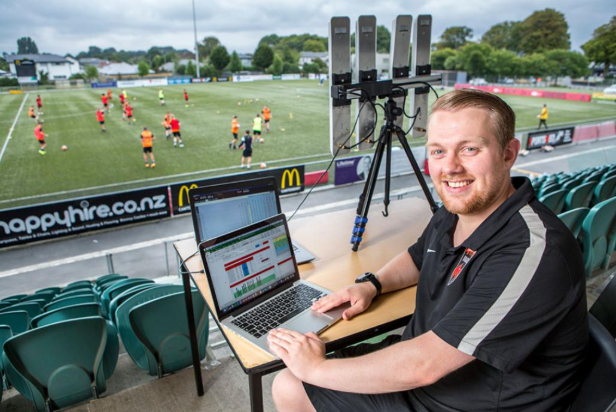
Entrenamiento Deportivo: The Ultimate Proven Guide to Boost Performance in 2025

Understanding the Concept of Sports Training
Athletic training is more than just physical exercise. It is a structured and goal-oriented process designed to improve physical abilities, technical skills, and mental strength. Entrenamiento deportivo focuses on long-term athlete development rather than short-term results.
Definition and Core Meaning
Sports training refers to a systematic approach where physical activities are planned, monitored, and adjusted to enhance performance. It combines physical conditioning, technical practice, mental preparation, and recovery strategies.
Why Structured Training Matters
Unstructured workouts may lead to slow progress or injuries. A structured training plan ensures balanced development, prevents overtraining, and allows athletes to reach peak performance safely and efficiently.
See also: Easy Method to Get WPS Office Directly from the WPS Official Website
History and Evolution of Athletic Training
Ancient Training Methods
In ancient civilizations such as Greece and Rome, athletes trained using bodyweight exercises, running, and combat drills. Training was intense but lacked scientific understanding.
Modern Scientific Approaches
Today, training is based on sports science, biomechanics, and physiology. Modern methods rely on research-backed principles, ensuring optimal performance and injury prevention.
Key Principles of Effective Training
Progressive Overload
To improve, the body must be challenged gradually. Increasing intensity, duration, or resistance over time allows muscles and systems to adapt safely.
Specificity
Training should match the demands of the sport. For example, a sprinter focuses on explosive power, while a marathon runner prioritizes endurance.
Recovery and Adaptation
Rest is not a weakness. Recovery allows muscles to repair and grow stronger, reducing fatigue and injury risk.
Types of Sports Training
Strength Training
Strength training builds muscle power and improves joint stability. Exercises include weightlifting, resistance bands, and bodyweight movements.
Endurance Training
This type improves cardiovascular efficiency. Activities like running, cycling, and swimming help athletes perform longer without fatigue.
Speed and Agility Training
Speed drills, ladder exercises, and plyometrics enhance reaction time, coordination, and quick movement.
Flexibility and Mobility
Stretching and mobility exercises improve range of motion, posture, and injury resistance.
Physical Benefits of Athletic Training
Muscle Development
Regular training increases muscle strength, tone, and endurance. It also improves bone density and joint health.
Cardiovascular Health
Training strengthens the heart and lungs, improving oxygen delivery and overall stamina.
Mental and Psychological Benefits
Discipline and Focus
Training builds consistency, goal-setting habits, and mental resilience that benefit both sports and daily life.
Stress Management
Physical activity releases endorphins, reducing stress and improving mood and mental clarity.
Training Programs for Different Athletes
Beginners
Beginners should focus on learning proper technique, building basic fitness, and avoiding excessive intensity.
Intermediate Athletes
At this stage, training becomes more specialized. Athletes work on weaknesses and refine skills.
Elite and Professional Athletes
Advanced athletes follow highly customized programs with precise workload management and recovery strategies.
Nutrition and Hydration in Training
Macronutrients
Carbohydrates fuel workouts, proteins repair muscles, and fats support long-term energy and hormone balance.
Timing of Meals
Eating before and after training optimizes performance and recovery. Hydration is equally essential.
For credible nutrition guidelines, refer to resources such as the World Health Organization (WHO): https://www.who.int
Injury Prevention and Safety
Warm-Up and Cool-Down
Warm-ups prepare muscles for activity, while cool-downs help reduce soreness and stiffness.
Common Training Injuries
Overuse injuries, strains, and sprains often result from poor technique or insufficient rest.
Role of Coaches and Trainers
Program Design
Coaches create personalized training plans based on goals, fitness level, and sport requirements.
Motivation and Monitoring
Trainers provide feedback, motivation, and adjustments to keep athletes progressing safely.
Technology in Modern Training
Wearables and Tracking
Fitness trackers monitor heart rate, sleep, and workload, helping athletes optimize performance.
Data-Driven Performance
Data analysis allows precise adjustments, ensuring training efficiency and injury prevention.
Common Mistakes to Avoid
- Skipping rest days
- Ignoring proper technique
- Overtraining without recovery
- Poor nutrition and hydration
- Lack of consistency
Avoiding these mistakes ensures sustainable progress.
Frequently Asked Questions (FAQs)
What is the main goal of athletic training?
The primary goal is to improve physical performance while maintaining health and preventing injuries.
How often should an athlete train?
It depends on the sport and fitness level, but most athletes train 3–6 days per week.
Is strength training necessary for all sports?
Yes, strength training supports injury prevention and overall performance in nearly all sports.
Can beginners start structured training?
Absolutely. Structured training is especially beneficial for beginners when properly supervised.
How important is recovery in training?
Recovery is essential. Without it, progress slows and injury risk increases.
Does training improve mental health?
Yes, regular training enhances mood, focus, and stress management.
Conclusion
Athletic training is a powerful tool for physical, mental, and emotional growth. When done correctly, entrenamiento deportivo helps athletes of all levels achieve consistent improvement, prevent injuries, and build lifelong healthy habits. By following structured principles, proper nutrition, and recovery strategies, anyone can unlock their full athletic potential.